

Why 92% of New Year's Resolutions Fail (And Your 2026 Action Plan)
It's December 22, 2025. In just 10 days, millions will set New Year's resolutions. And according to research from the University of Scranton, 92% will fail by February.
But here's what's different about 2026: We now have nearly six years of post-pandemic data on what actually works for sustainable weight loss. AI-powered nutrition tracking has matured. And we finally understand why traditional dieting fails.
Look, we both know you've read a million "drink more water and get 8 hours of sleep" articles. Let's skip the fluff and talk about what actually works in 2026.
The Brutal Truth About January 19th
Strava's massive dataset of 800 million activities shows that most people abandon their fitness goals by January 19th - they call it "Quitter's Day." But why exactly this date?
Three factors collide:
- The motivation crash - Initial enthusiasm wanes after 2-3 weeks
- The habit gap - New behaviors haven't become automatic yet (takes 66 days on average)
- The results frustration - Visible changes haven't appeared yet
Once you know it's coming, you can brace for it. Kind of like knowing there's a speed bump ahead - still annoying, but at least you won't spill your coffee.
Why 2026 Is Different: The AI Advantage
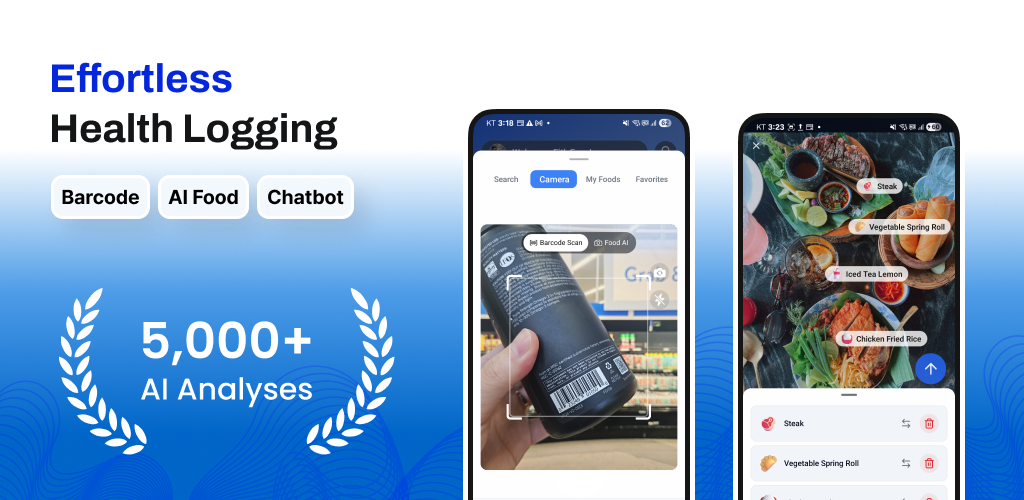
Remember manually logging every ingredient in MyFitnessPal? Yeah, nobody had time for that. Now you just snap a photo and AI does the heavy lifting. Sounds minor, but here's why it's a game-changer:
Recent studies show that people using AI-powered food tracking are significantly more likely to maintain weight loss after 6 months compared to manual tracking. Why?
- Reduced friction - 5 seconds vs 5 minutes per meal
- Better accuracy - AI catches hidden calories humans miss
- Sustainable habits - Less effort means higher compliance
The 4-Week January Blueprint That Actually Works
Week 1 (Jan 1-7): Foundation Setting
Don't dive into extreme changes. This week is about data collection and awareness.
Day 1-3: Baseline tracking
- Track your normal eating without changing anything
- Establish your actual calorie intake (most people underestimate by 30%)
- Identify your eating patterns and trigger times
Day 4-7: Small swaps
- Replace one high-calorie item daily (not entire meals)
- Example: Regular latte → Oat milk latte (saves calories)
- Track the swap impact in real-time
Week 2 (Jan 8-14): The Protein Pivot
Protein is your secret weapon against hunger and muscle loss during weight loss.
The morning protein strategy:
- Prioritize protein early in the day
- Include daily movement
- Results: Better satiety, stable blood sugar, preserved muscle
High-protein breakfast ideas:
- Greek yogurt parfait with berries and granola
- Scrambled eggs with turkey bacon
- Protein smoothie with spinach and banana
- Cottage cheese bowl with everything bagel seasoning
Week 3 (Jan 15-21): Surviving Quitter's Week
This is when most people fail. Here's how to push through:
The "Never Two" Rule:
- Never miss two days in a row
- If you skip Monday's workout, Tuesday is non-negotiable
- One bad meal? Next meal back on track
Motivation Bridge Techniques:
- Schedule a fitness class for Jan 20th (accountability)
- Plan a progress photo session for Jan 21st
- Set a mini-reward for making it past Jan 19th
Week 4 (Jan 22-31): Momentum Building
You've survived the danger zone. Now accelerate:
The February Prep Protocol:
- Meal prep Sundays (2 hours = 5 days of lunch)
- Join a February challenge (community accountability)
- Set process goals, not just outcome goals
The Hidden Calories Destroying Your Progress
Studies have shown concerning calorie discrepancies in "healthy" foods:
Restaurant salads: Often contain more calories than listed Protein bars: May have variance from label claims "Sugar-free" drinks: Sometimes contain hidden calories Cooking oils: Just 1 extra tablespoon = 120 calories
And that's exactly what makes photo-based AI tracking so useful - it sees what we tend to miss (or conveniently forget).
The 5 Habits of the Successful 8%
Research on successful weight loss maintainers reveals five consistent behaviors:
- They track something daily (weight, food, or steps - pick one)
- They eat breakfast (most never skip it)
- They weigh weekly (not daily - reduces obsession)
- They have a Plan B (backup meals, home workouts)
- They celebrate small wins (1 lb lost = success)
Your 2026 Meal Planning Strategy
Forget complicated meal plans. The "Rule of 3" works better:
3 Breakfast options you rotate 3 Lunch templates you modify 3 Dinner formulas you customize 3 Snacks you pre-portion
Enough variety to not get bored, simple enough to actually stick with.
Sample Day Structure:
Breakfast: Protein-rich option like overnight oats with protein powder and berries
Lunch: Balanced meal with lean protein, whole grains, and vegetables
Snack: Nutrient-dense option like fruit with nut butter
Dinner: Lean protein with plenty of vegetables and complex carbs
Note: Calorie needs vary greatly by individual. Use FitlyEver to calculate your personal requirements based on your goals, activity level, and body composition.
The Technology Stack for 2026 Success
Let's be real - willpower alone won't cut it. You need the right tech stack:
Essential Apps:
- AI Food Tracking: Photo-based calorie counting (like FitlyEver)
- Habit Tracker: Visual chain-building for motivation
- Sleep Monitor: Poor sleep = increased hunger hormones
- Water Reminder: Dehydration mimics hunger
Smart Scale Strategy:
- Weigh at the same time (morning, after bathroom)
- Track weekly averages, not daily fluctuations
- Expect 1-2 lb water weight swings
Red Flags That Predict Failure
Watch for these warning signs:
- Cutting more than 500 calories from baseline immediately
- Eliminating entire food groups without medical reason
- Exercising more than 90 minutes daily from day 1
- Setting unrealistic weekly weight loss goals
- Not planning for social events and holidays
The Valentine's Day Test
If you make it to February 14th still on track, your chances of long-term success increase significantly. We're talking 45 days. You've binged entire Netflix series longer than that.
Here's the deal:
The 45-Day Contract:
- Write your "why" (not just "lose weight")
- Set three process goals (track food, daily steps goal, adequate sleep)
- Create accountability (tell someone, join a group)
- Plan your first "cheat meal" for Feb 14th (something to work toward)
Your Action Items for Tomorrow
- Download an AI-powered food tracking app (removes biggest friction point)
- Take "before" photos (you'll regret not having them)
- Set three alarms: Breakfast, lunch, dinner (consistent meal timing)
- Buy a food scale ($15 investment with huge ROI)
- Schedule Jan 19th celebration (survive Quitter's Day)
The Bottom Line
Here's the truth: 2026 doesn't have to be another failed resolution year. The 8% who succeed aren't more motivated than you - they just have better systems.
Start tracking before January 1st (seriously, why wait?). Let AI handle the tedious stuff. Focus on habits over outcomes. And hey, perfection is overrated - just show up more days than you don't.
Disclaimer: This article is for informational purposes only. Always consult with a healthcare professional before starting any new diet or exercise program. Individual results may vary.
Ready to join the 8%? Download FitlyEver now and start your baseline tracking today with our 3-day free trial - no credit card required.
Download FitlyEver:
Questions? Email: support@fitlyever.com
What's your 2026 resolution strategy? Join thousands who are already tracking smarter, not harder with FitlyEver.