

Korean Food Nutrition Tracking: The Complete Guide for 2025
Ever tried logging Korean food in a nutrition app? You grab some Korean snacks from H-Mart, scan the barcode, and get "Product not found." You search for kimchi in popular apps like MyFitnessPal, MacroFactor, and more and find three different entries with completely different nutrition info. Your Korean BBQ dinner? Good luck figuring out which generic entry actually matches what you ate.
Sound familiar?
The reality: Korean food culture is practically invisible in mainstream nutrition apps, leaving millions of users improvising or giving up entirely.
For Korean Americans, international students, and K-food lovers, this creates an unnecessary choice: stick with traditional foods or track your nutrition accurately. In 2025, you shouldn't have to choose.
Why Korean Food Tracking Feels Impossible
The Real Challenge: Cultural Food Complexity
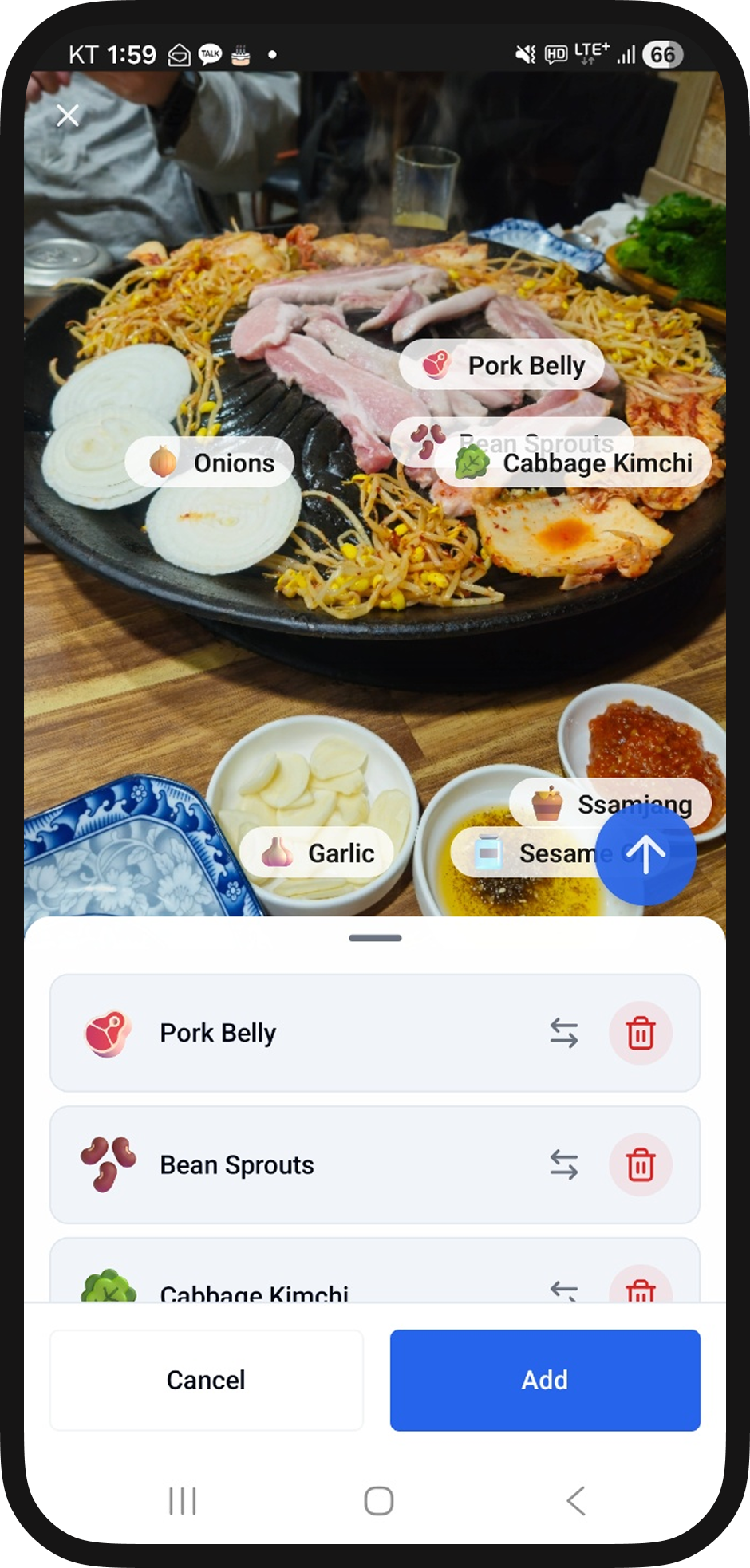
Korean dining isn't just about individual dishes. It's about food ecosystems. When you sit down for Korean BBQ, you're not just eating meat. You're experiencing lettuce wraps, 5-6 different banchan, various dipping sauces, and rice. Each component affects the nutritional profile of your meal.
Try logging this in a traditional app:
- Search "Korean BBQ" → Find 20 different entries with calories ranging from 300-800
- Attempt to log banchan → Discover kimchi categorized as "fermented cabbage salad"
- Scan Korean snack barcode → "Product not found"
The disconnect: Popular nutrition apps like MyFitnessPal, MacroFactor, and others were built for Western eating patterns. Single-dish meals with clear boundaries. Korean food culture operates on shared plates, complementary flavors, and integrated nutrition.
Why This Matters Beyond Convenience
For many Korean Americans and K-food enthusiasts, this isn't just about calories. It's about maintaining cultural connections while pursuing health goals. When your grandmother's kimchi jjigae recipe can't be accurately tracked, the choice becomes: traditional foods or health tracking. That's a choice nobody should have to make.
Building a Solution That Actually Works
Starting With Official Data
Here's what makes FitlyEver different: we started with the source. Instead of crowdsourced guesswork, we use official data from Korea's Ministry of Food and Drug Safety, the government agency that sets official nutrition standards.
Official Data Source: FitlyEver uses Korea's official public nutrition database as our foundation.
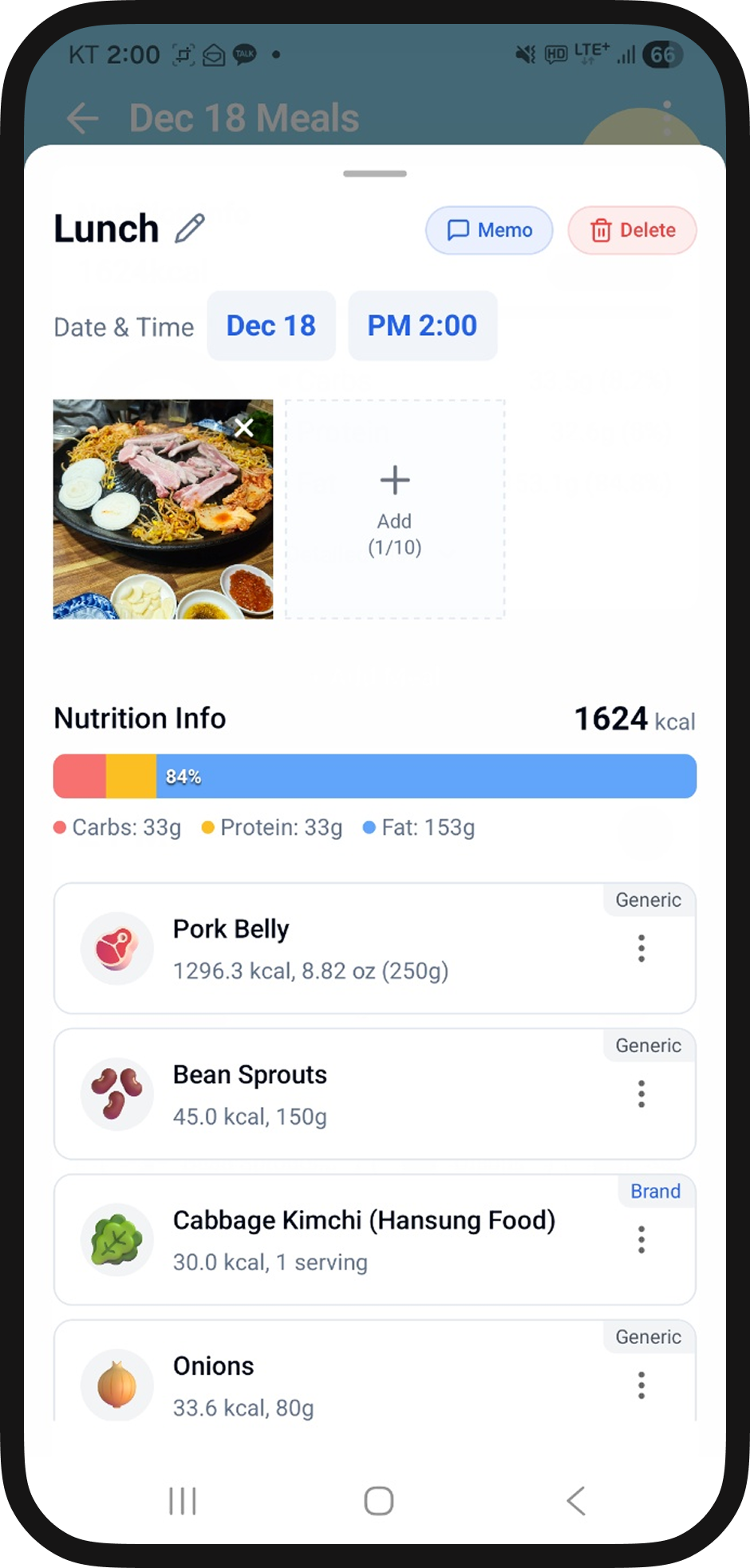
This means when you log kimchi jjigae, you're getting data that matches what Korean nutritionists and food scientists use. It's not an approximation or user submission. It's the official standard.
Three Key Differences That Matter
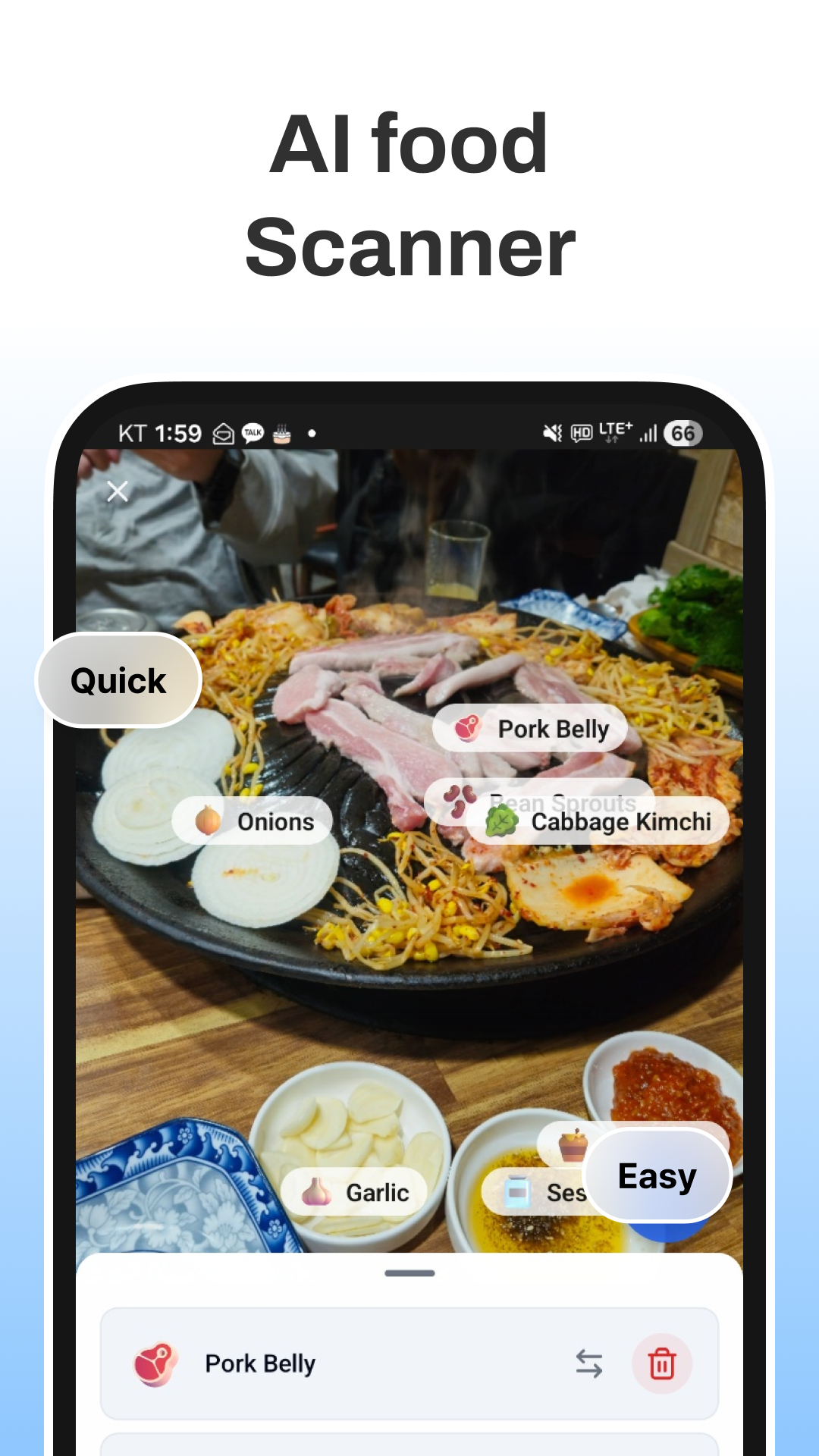
1. Cultural Food Intelligence Unlike mainstream apps like CalAI, MacroFactor, and others, our AI understands Korean dining culture. When you photograph a Korean meal, it recognizes that those small dishes aren't "sides". They're banchan, integral parts of the nutritional experience. It knows that ssam (lettuce wraps) change how you consume Korean BBQ.
2. Korean Market Integration
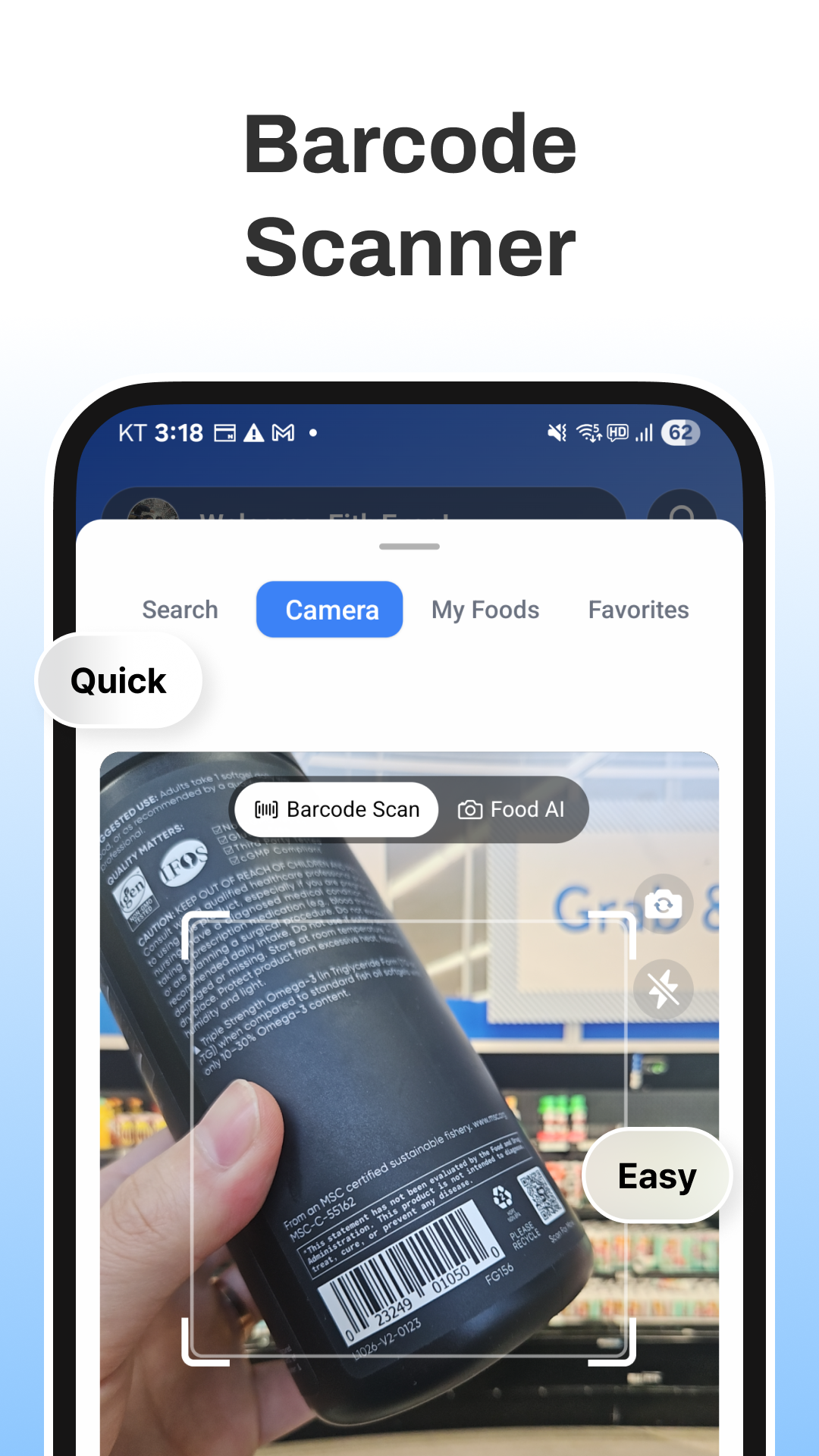
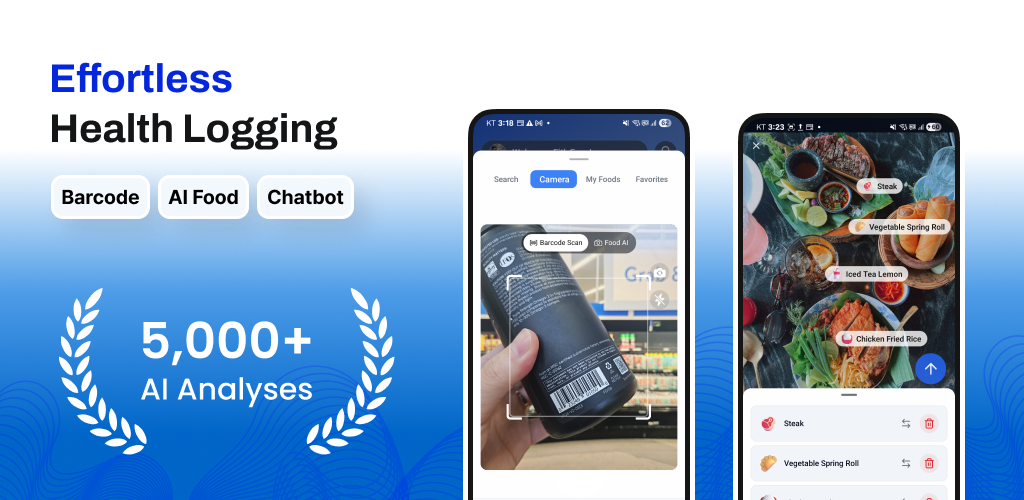
Shopping at H-Mart? Our barcode scanner recognizes Korean products that other apps miss. From Shin Ramyun to specialty gochujang, we've built comprehensive coverage of Korean grocery staples.
3. Language Flexibility Switch between Korean and English databases in settings. Whether you prefer searching in Korean ("김치찌개") or English ("kimchi jjigae"), you can easily change your language preference to match how you think about food.
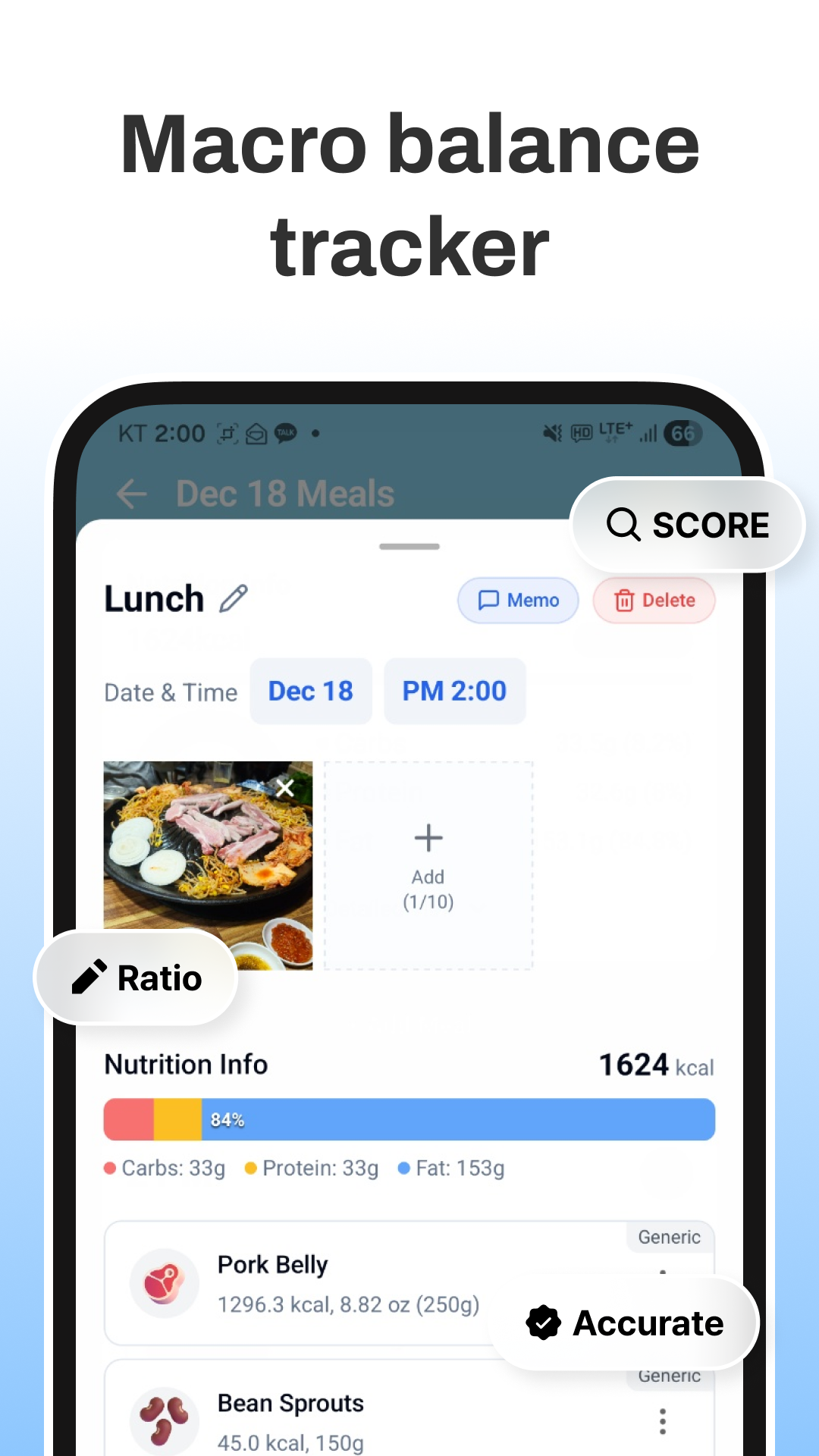
Complete Nutrition Tracking That Actually Works
Beyond Korean Specialization
While Korean food is our specialty, FitlyEver handles international cuisine just as well. By combining FatSecret's comprehensive database with USDA standards, we ensure you get accurate tracking whether you're eating kimchi jjigae or Caesar salad. No need to use multiple apps like other users do with MyFitnessPal, MacroFactor, and more.
The difference: You don't have to choose between Korean food accuracy and general nutrition tracking. One app handles both.
What This Actually Means for You
Let's go back to that Korean restaurant scenario. With FitlyEver:
- Take a photo of your meal setup
- Get accurate recognition of each dish, including banchan
- Receive nutrition data based on official Korean standards
- Track everything in the context of Korean dining culture
No more guessing. No more choosing between cultural foods and health goals. No more spending 10 minutes searching for "Korean beef bulgogi" and wondering if you picked the right entry.
Real Impact: Our users report spending 30-40% less time on average logging Korean meals compared to popular alternatives like MyFitnessPal, MacroFactor, and others, while feeling confident about accuracy for the first time.
Ready to Try It?
FitlyEver is available now with a free trial that includes full access to our Korean food database. Whether you're Korean American, studying in Korea, or just love Korean cuisine, see what happens when nutrition tracking finally understands your food culture.
Download FitlyEver:
Questions? Email: support@fitlyever.com
Finally, an app that gets Korean food culture. Because your grandmother's kimchi jjigae deserves better than being logged as "fermented cabbage soup."